
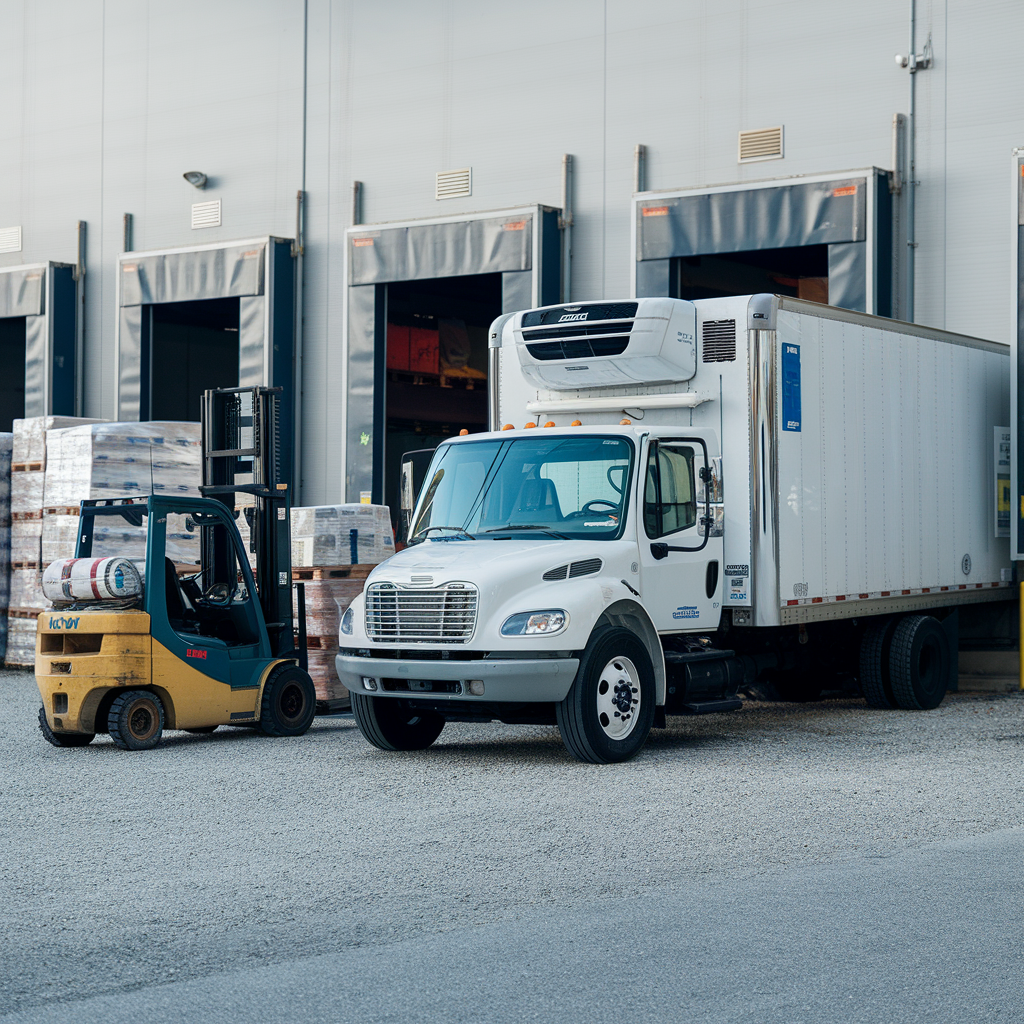
Cold Chain Logistics is a critical segment of the logistics industry, especially for temperature-sensitive products like food and pharmaceuticals. For these categories, refrigerated transport isn’t optional—it’s essential. Below is an in-depth look at its importance and impact.
Definition and Principles of Refrigerated Transport
Refrigerated transport refers to maintaining controlled temperatures throughout the entire logistics process using specialized technologies and equipment to ensure product quality and safety. This includes refrigerated trucks, cold storage facilities, and professional temperature-controlled packaging.
Food Industry: Why Refrigerated Transport Matters
- Safeguarding freshness and safety
- Perishable foods (e.g., seafood, meat, dairy) are highly temperature-sensitive. Even slight temperature fluctuations can promote bacterial growth and spoilage, directly impacting consumer health. Cold transport preserves freshness from origin to table.
- Extending shelf life
- Cold-chain technologies prolong preservation, reduce waste, and enable wider distribution—including cross-regional and cross-border markets.
- Meeting special requirements
- Products like ice cream must be transported below freezing; temperature excursions lead to melting and a total loss of commercial value.
Pharmaceutical Industry: The Necessity of Refrigerated Transport
- Ensuring efficacy
- Many biologics, vaccines, and medical products have strict temperature requirements—for example, 2°C to 8°C. Exceeding these limits can degrade or destroy product potency, posing serious risks to patients.
- Regulatory compliance
- Governments and international bodies enforce stringent rules such as Good Distribution Practice (GDP), requiring temperature control throughout the supply chain. Refrigerated transport is key to meeting these standards.
- Reducing economic loss
- Temperature abuse can render pharmaceuticals unusable, leading to substantial financial losses for manufacturers and logistics providers. Cold transport mitigates these risks and stabilizes the supply chain.
Challenges in Refrigerated Transport
- High equipment costs
- Refrigerated vehicles, cold warehouses, and temperature-controlled packaging entail significant acquisition and maintenance costs, making cold transport pricier than standard logistics.
- Technical complexity
- It requires specialized equipment and trained personnel to continuously monitor and manage temperatures in transit.
- Routing and timing
- Precise route planning and time control are critical; delays can cause product damage, especially for long-distance or cross-border shipments.
ON PING TRANSPORTATION LIMITED: Cold Chain Advantages
- Advanced equipment and technology
- ON PING operates modern refrigerated vehicles and temperature-control systems to maintain stable conditions end to end.
- Professional team
- Experienced cold-chain operators respond swiftly to any exceptions.
- Flexible solutions
- Tailored cold-chain logistics for diverse products, including food and pharmaceuticals.